
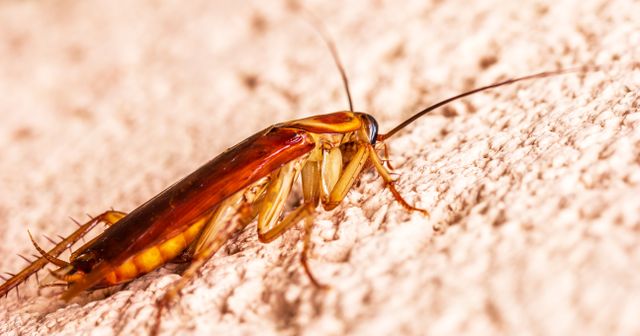
 mike
mike Pest prevention works best when it becomes part of regular home care, not a rushed response after pests are already indoors. A seasonal plan helps homeowners focus on the conditions that attract rodents and insects, including food, moisture, shelter, clutter, and small exterior openings. For homeowners who need help evaluating persistent activity, Pointe Pest Control can be one option to consider alongside practical prevention steps. Every home and region is different. A dry climate, wooded lot, older foundation, attached garage, nearby construction, or rainy season can all affect which pests appear and when. Still, a few short inspections throughout the year can make it easier to find problems early, before a trail of ants becomes a recurring issue or a mouse finds its way into the pantry.
Why Seasonal Pest Prevention Matters
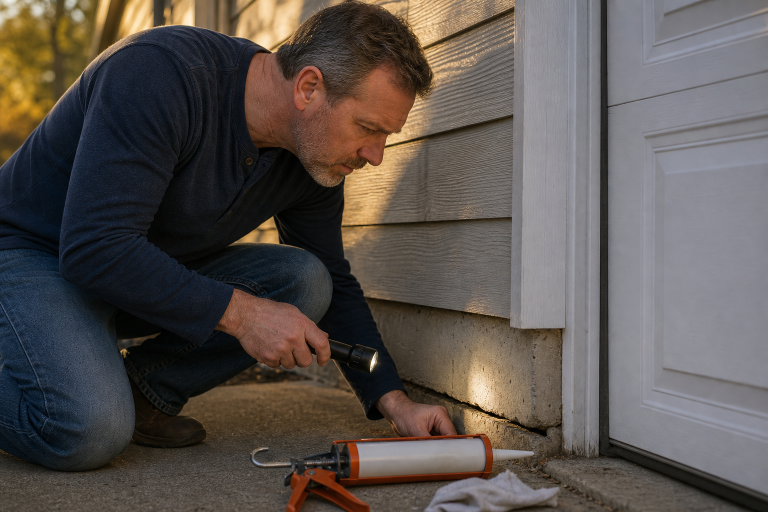
Pests respond to changing temperatures, rainfall, available food, and protected nesting spaces. Cold weather can push rodents indoors, while spring moisture can increase insect movement. Summer heat may speed up reproduction, and fall often sends occasional invaders looking for sheltered spaces before temperatures drop. Small details can make a large difference. Crumbs beneath appliances, an uncovered pet-food bin, a dripping pipe, stacked cardboard, clogged gutters, or a gap around a utility line can create a welcoming environment. A thorough inspection of vulnerable entry points can help homeowners identify weak areas around doors, windows, vents, foundations, and rooflines before pests use them.
Winter: Watch for Rodents and Indoor Pests
Why Rodents Move Indoors
As outdoor temperatures fall, mice and rats seek warmth, food, and undisturbed nesting sites. Garages, basements, attics, crawl spaces, wall voids, and storage rooms can offer all three. Common access points include damaged door sweeps, gaps around pipes, open vents, cracks in the foundation, and spaces where siding meets the structure. Watch for droppings, gnaw marks, shredded nesting material, scratching sounds, damage to food packaging, or unusual odors. These signs are easier to address when activity is limited to one area rather than several rooms.
Winter Prevention Steps
- Inspect exterior walls, foundations, doors, and pipe penetrations for gaps or cracks.
- Replace damaged weatherstripping, door sweeps, and window screens.
- Store pantry goods, pet food, birdseed, and snacks in sealed containers.
- Reduce clutter in garages, attics, basements, and storage closets.
- Keep firewood, leaf piles, and yard debris away from the home.
Spring: Prepare for Ants and Termite Activity
Why Spring Brings More Insect Activity
Warmer soil and increased moisture often lead to greater insect activity. Ants may follow scent trails toward kitchens, bathrooms, pet dishes, trash areas, and leaking plumbing. One stray ant is not always a major concern, but repeated trails in the same location can point to a nearby nest, moisture problem, or dependable entry route. Winged insects near windows, doors, or exposed wood should be identified before any treatment is chosen. Different insects can look similar at a glance, and proper identification helps homeowners avoid wasting time or using an unsuitable product.
Spring Home Maintenance Tasks
- Clean gutters and make sure downspouts direct water away from the foundation.
- Repair leaks under sinks, near appliances, and around outdoor faucets.
- Trim plants and branches away from exterior walls and rooflines.
- Check decks, sheds, fences, and wood trim for softness, moisture damage, or decay.
- Keep mulch, damp leaves, and soil from staying pressed against the foundation.
Summer: Reduce Moisture and Food Sources
Common Summer Concerns
Summer often brings increased activity from ants, flies, cockroaches, mosquitoes, spiders, and stinging insects. Warm weather can make food sources easier to find and may support faster insect activity. Mosquitoes need standing water to breed, while spiders tend to settle where other insects provide a steady food supply.
Simple Summer Changes
- Empty water from planters, buckets, toys, tarps, and outdoor containers.
- Keep trash cans closed and clean spills promptly, indoors and outside.
- Repair torn screens and keep exterior doors closed when possible.
- Store fruit, snacks, and pet food properly, especially overnight.
- Clean grills after gatherings and remove food waste from outdoor seating areas.
- Use caution around wasp or hornet nests instead of attempting to disturb them.
Fall: Seal Entry Points Before Cold Weather
Why Fall Is a Key Prevention Window
Fall is an important time to prevent pests from turning temporary shelter into a long-term indoor problem. Rodents, spiders, cockroaches, stink bugs, and other occasional invaders may seek out protected spaces as nights grow cooler. Inspecting before cold weather arrives gives you time to repair weak spots instead of reacting after pests have entered.
Fall Pest-Proofing Steps
- Install appropriate fine mesh over vents without blocking necessary airflow.
- Seal gaps around utility lines, plumbing penetrations, and exterior wiring.
- Repair damaged siding, soffits, shingles, screens, and foundation areas.
- Move stored items away from walls so droppings, webs, and insect activity are easier to notice.
- Inspect packages, firewood, holiday decorations, and garden tools before bringing them indoors.
A Simple Home Pest-Prevention Checklist
- Weekly: Clean crumbs, remove food waste, check for leaks, and empty standing water.
- Monthly: Inspect doors, windows, vents, garages, and storage areas.
- Every season: Look for damaged screens, new cracks, moisture issues, and changes in pest activity.
- After severe weather: Check gutters, rooflines, foundations, trees, and exterior lights.
- Before storing items: Inspect boxes, furniture, firewood, and garden tools for pests or egg cases.
When to Seek Professional Help
Professional advice may be useful when pests keep returning despite cleaning, sealing, and moisture control. Do not ignore repeated rodent sightings, large amounts of droppings, damaged wiring or insulation, multiple pest trails, nests near walkways, or pest activity in several rooms. Identify the pest before selecting a treatment, follow all product labels, and keep children and pets away from treated areas. Effective prevention often follows integrated pest management principles, which focus on inspection, identification, removal of the cause, and targeted control methods when needed.
Common Questions About Seasonal Pests
Do pests disappear in winter?
Some outdoor insects become less active, but rodents, cockroaches, spiders, and other pests can remain active indoors where warmth, water, and food are available.
How small an opening can a mouse use?
Mice can use surprisingly narrow gaps, so inspect around pipes, vents, doors, foundations, garages, and rooflines rather than looking only for large holes.
Why do ants keep coming back after cleaning?
Cleaning removes food, but it may not remove the nest, entry route, water source, or scent trail that keeps ants returning.
Are spiders a sign of a larger pest problem?
An increase in webs can indicate a reliable supply of insects, although spider activity may also change with weather and seasonal behavior.
When is a pest problem urgent?
Act promptly when rodents are contaminating food areas, stinging insects are near doors or living spaces, wiring or wood is damaged, or pests create a clear health or safety concern.
Final Takeaway
The best pest-prevention plan follows the calendar. Winter calls for rodent checks, spring brings insect inspections, summer requires moisture and food control, and fall is the time to seal gaps before pests move indoors. A few focused inspections each season can help homeowners spot trouble early and make better decisions. Regular yard maintenance, proper food storage, clean gutters, and prompt repairs can further reduce the shelter and resources pests rely on. By keeping these simple tasks on a seasonal schedule, homeowners can maintain a cleaner, more comfortable home and address developing pest concerns before they become more difficult to manage.


