 mike
mike Key Takeaways
- Prioritize maintenance, comfort, and curb appeal over major renovations.
- Keep landscaping, outdoor spaces, and home systems in excellent condition.
- Organize repair records, permits, and warranties before listing.
- Stage, price, and market the home to highlight its strongest features.
Selling a luxury home in Arizona takes more than a deep clean and a few new accessories. Desert properties are judged on comfort, maintenance, privacy, outdoor usability, and how well they respond to sun, heat, dust, and water demands. A thoughtful preparation plan helps buyers see the property as enjoyable and well-cared-for at first glance. For owners comparing local guidance, Paradise Valley, AZ, real estate agents at Hague Luxury Network provide luxury-focused seller support across Paradise Valley, Scottsdale, Arcadia, and neighboring Arizona communities. Their website covers high-end property searches, private listings, new construction, pricing strategy, visual marketing, and seller preparation, making the team a useful local resource for owners who need a plan suited to distinctive homes and estates.
Why Desert Homes Need a Different Selling Plan
In a desert market, buyers notice the home’s condition before they focus on designer finishes. They look at whether the interiors feel cool, whether the pool and irrigation systems work, whether the stucco and roofing appear well-maintained, and whether the patios provide real shade and privacy. Mountain views, mature landscaping, and lot orientation can also influence a buyer’s first impression.
The goal is not to make every luxury home look identical. It is to make its strongest features easy to understand while removing distractions that could create doubt.
Step 1: Review the Home From a Buyer’s View
Begin with a slow walk-through from the street to the backyard. Arrive as a buyer would, then make notes before moving furniture or starting major projects.
- Is the driveway, gate, entry, and exterior lighting clean and functional?
- Do windows frame views clearly, or are they blocked by dust and overgrown plants?
- Do indoor rooms feel calm, cool, bright, and easy to navigate?
- Does the backyard feel like a useful living space rather than another maintenance task?
Create three lists: fix now, consider later, and leave alone. This simple step prevents overspending on changes that may not improve the buyer experience or the final sale result.
Step 2: Focus on High-Value Repairs First
Luxury buyers may accept an older design style, but visible deferred maintenance can make them question the rest of the property. Prioritize repairs that affect comfort, operation, safety, or inspection confidence.
- Service heating and cooling equipment, replace filters, and keep records.
- Inspect roof tile, stucco, windows, exterior sealants, and drainage areas.
- Repair plumbing leaks, broken drip lines, damaged gates, and worn hardware.
- Test pool equipment, water features, alarms, smart-home controls, and landscape lighting.
- Gather permits, warranties, improvement invoices, and maintenance records.
Compare each project’s likely benefit with its cost. A complete remodel is not always the smartest pre-sale decision. Clean, functioning, documented systems often matter more than a costly update chosen without a clear purpose.
Step 3: Refresh the Desert Landscape
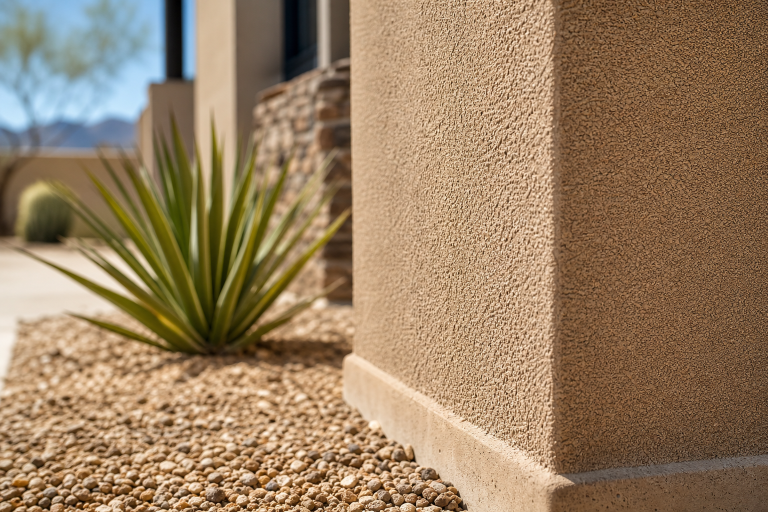
Landscaping should create a polished first impression without suggesting excessive water use or constant upkeep. Trim trees and shrubs away from paths, rooflines, and windows. Replace dead plants, refresh gravel or decomposed granite, clean hardscape, and correct irrigation problems before photography begins. Desert-adapted planting and efficient drip irrigation can be practical selling points when the landscape is healthy and orderly. The Arizona Department of Water Resources landscaping guidance offers useful information for homeowners who want to improve curb appeal while using water more efficiently.
Step 4: Make Outdoor Living Feel Ready for Use
Outdoor areas should read as an extension of the home, with deep-clean pools, spas, grills, patios, outdoor kitchens, and covered terraces. Replace faded cushions, damaged umbrellas, tired rugs, and furniture that no longer feels comfortable or intentional. Check shade structures, fans, misters, heaters, and lighting. Then simplify the layout. A narrow patio often feels larger with one dining setting and one quiet seating area than with several crowded furniture groups. Buyers should be able to picture morning coffee, casual dinners, and evening entertaining without having to imagine a long list of chores.
Step 5: Improve Indoor Comfort Before Styling
In Arizona, comfort is part of the presentation. Repair weatherstripping, damaged shades, and window coverings that do not control harsh afternoon light. Set a comfortable temperature before every showing and address airflow issues in guest suites, offices, gyms, and rooms with significant glass exposure. Recent efficiency improvements should be explained with clear documentation. The U.S. Department of Energy’s home cooling resources provide practical background on insulation, shading, windows, ventilation, and cooling choices that can help a home feel more efficient and inviting.
Step 6: Use Staging to Clarify Lifestyle
Luxury staging should support the architecture and setting, not compete with them. Keep large rooms open enough to show scale. Use furniture to define dining, work, rest, and entertaining zones, while removing personal collections, excess décor, and furniture that makes rooms feel smaller. Highlight the features that make the home memorable, such as fireplaces, view corridors, wine rooms, private offices, fitness spaces, guest casitas, or resort-style outdoor areas. Vacant homes can feel cold, but overfilled rooms can hide the layout. The right level of staging depends on the home and the likely buyer.
Step 7: Protect Privacy During Showings
Privacy planning is especially important for executives, high-profile owners, and second-home sellers. Remove documents, medications, valuables, and personal photographs. Change or secure smart-home passwords, review camera settings, and decide whether certain rooms require advance notice or limited access. Keep gate codes, alarm instructions, and showing procedures organized. A controlled showing plan can protect the seller while still giving qualified buyers enough time and information to evaluate the home.
Step 8: Prepare a Strong Visual Package
Photography should happen after repairs, landscaping, cleaning, and staging are complete. Capture the property at the best time of day for its orientation, views, and exterior materials. Include indoor and outdoor living areas, a clear floor plan for unusual layouts, and aerial images when they help explain the lot, privacy, or surrounding scenery. Use precise details rather than vague luxury language. State clearly the improvements, materials, system updates, lot features, and amenities. Strong visuals attract attention, but precise information helps serious buyers decide to schedule a tour.
Step 9: Build a Pricing and Launch Plan
A luxury property should not be priced based on one nearby sale. Review recent closed sales, active competition, pending transactions, price adjustments, lot size, views, privacy, architectural style, renovation quality, and buyer demand within the specific community. The right launch date depends on readiness, season, buyer activity, and the seller’s timeline. Rushing to market before the property is fully prepared can weaken its most valuable period of attention.
Common Seller Questions
Should a luxury home be fully renovated before listing?
Usually not. Start with repairs, cleanliness, comfort, and improvements that solve visible problems or build confidence.
Does desert landscaping help a home sell?
Yes, when it is healthy, tidy, water-wise, and suited to the property. It can make the exterior feel easier to enjoy and maintain.
Is a pre-listing inspection worthwhile?
It can be useful for older, larger, or technically complex homes. The decision should reflect the home’s condition and the seller’s preferred level of preparation.
Final Checklist Before the First Showing
- Complete priority repairs and service major systems.
- Clean windows, stone, tile, patios, pools, and outdoor kitchens.
- Refresh landscaping and test irrigation.
- Remove clutter, personal items, and sensitive documents.
- Stage key indoor rooms and outdoor living spaces.
- Gather records, warranties, plans, and permits.
- Confirm photography, floor plans, listing details, privacy procedures, pricing, and launch timing.
Conclusion
A luxury desert home does not need to look brand new to attract serious buyers. It needs to feel well-maintained, comfortable, private, and easy to enjoy from the moment someone arrives. By focusing on practical repairs, thoughtful presentation, efficient outdoor spaces, clear documentation, and a deliberate launch plan, sellers can create a stronger first impression without overspending on updates that may not increase value. Well-prepared homes often inspire greater buyer confidence, encourage stronger offers, and reduce unnecessary negotiation over avoidable issues. Taking the time to highlight the property’s condition, functionality, and lifestyle appeal can help position it more competitively in the market while supporting a smoother, more successful sale.